Buy mentorcoaching.eu ?
We are moving the project
mentorcoaching.eu .
Are you interested in purchasing the domain
mentorcoaching.eu ?
domain@kv-gmbh.de · 0541-91531010
Buy mentorcoaching.eu ?
What is the difference between tensile stress and tensile strength?
Tensile stress is the internal resisting force per unit area within a material when subjected to a stretching force, while tensile strength is the maximum stress a material can withstand before breaking. In other words, tensile stress is the force applied to a material, while tensile strength is the material's ability to resist that force before failure. Tensile stress is a measure of the force distributed over a specific area, whereas tensile strength is a measure of the material's ability to withstand that force without breaking. **
'Pressure or Tensile Force?'
Pressure is a force applied perpendicular to the surface of an object, causing compression or squeezing. Tensile force, on the other hand, is a force applied to stretch or pull an object. The main difference between the two is the direction of the force applied - pressure is applied perpendicular to the surface, while tensile force is applied parallel to the surface. Both forces can cause deformation in materials, but in different ways. **

Similar search terms for Tensile
Top-Angebote
Products related to Tensile:
-
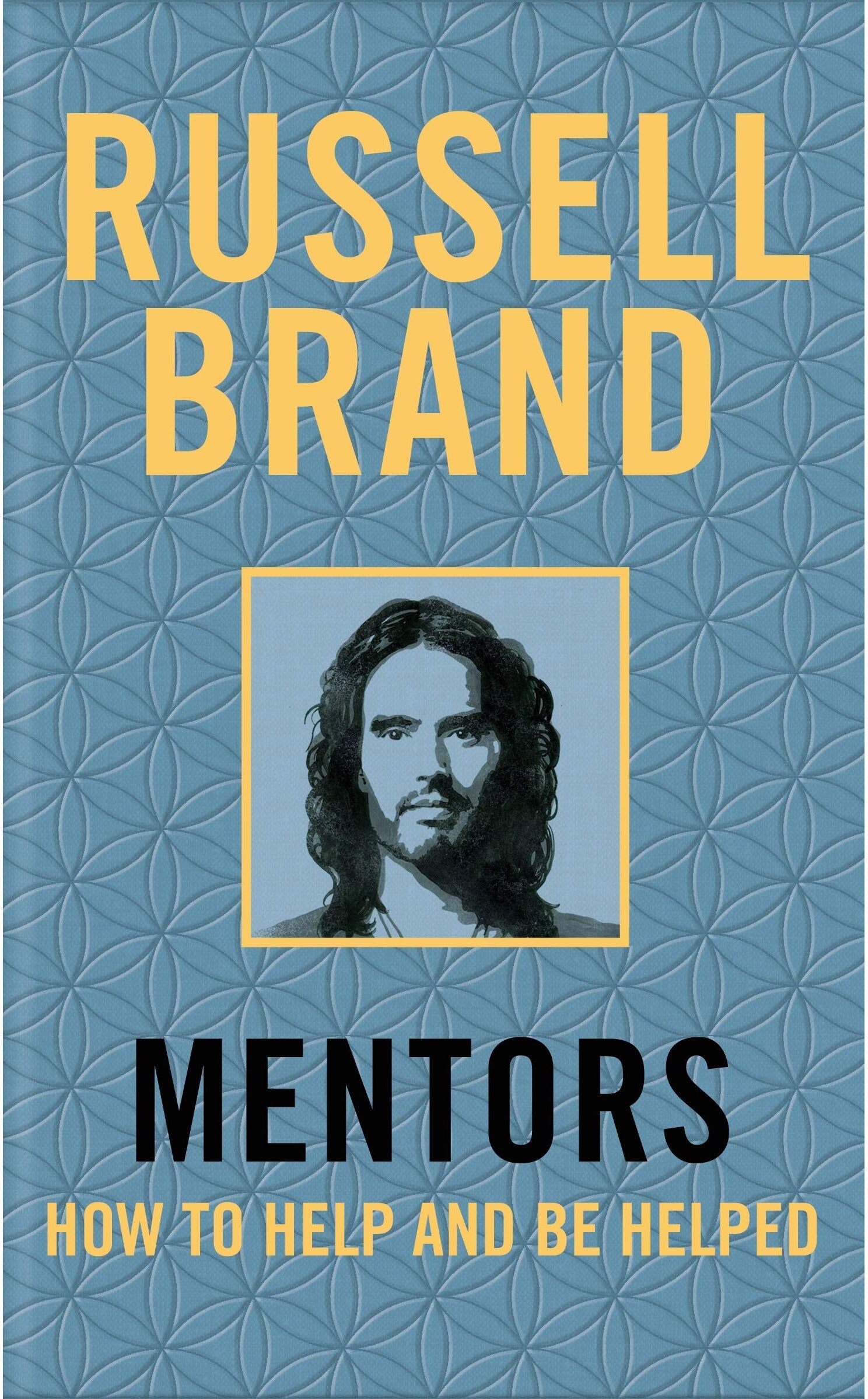
Bluebird Mentors: How to Help and Be Helped by Russell Brand – Personal Growth & Guidance BookRussell Brand Mentors How to Help and Be Helped ‘I have mentors in every area of my life, as a comic, a dad, a recovering drug addict, a spiritual being and as a man who believes that we, as individuals and the great globe itself, are works in progress and that through a chain of mentorship we can improve individually and globally, together . . . One of the unexpected advantages my drug addiction granted is that the process of recovery that I practise includes a mentorship tradition. I will encourage you to find mentors of your own and explain how you may better use the ones you already have. Furthermore, I will tell you about my experiences mentoring others and how invaluable that has been on my ongoing journey to self-acceptance and how it has helped me to transform from a bewildered and volatile vagabond to a (mostly) present and (usually) focussed husband and father.’ – Russell Brand Mentors: How to Help and Be Helped describes the impact that a series of significant people have had on the author – from the wayward youths he tried to emulate growing up in Essex, through the first ex-junkie stage, to the people he turns to today to help him be a better father. It explores how we all – consciously and unconsciously – choose guides, mentors and heroes throughout our lives and examines the new perspectives they can bring.1,99 £*Shipping: 1,99 £Secure redirect to the provider
-
Uplifted Finds High Tensile Structural Reinforcement And Geometric Stabilization Interface 10 PcsInaugurate a direct energy for your environment with this integrated structural solution. This set of thickened stainless steel angle brackets serves as a functional choice for your cabinetry and furniture preservation journeys, offering a...31,97 $*Shipping: 0,00 $Secure redirect to the provider
-
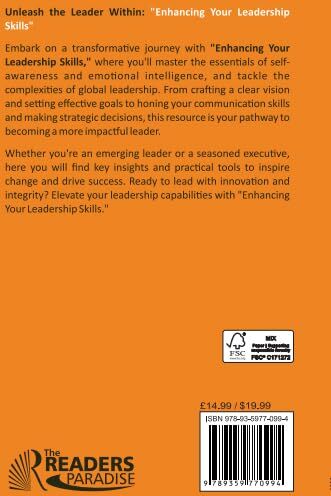
The Readers Paradise Enhancing Your Leadership Skills: A Practical Handbook for Success by Prof. V.K.Simon - Non Fiction Paperback - Leadership & Professional DevelopmentEnhance your leadership skills with this practical handbook by Prof. V.K.Simon. Written for anyone looking to lead with confidence and clarity, it blends self-awareness, emotional intelligence, and real-world strategy to help you achieve success. Whether you're a first-time manager or a seasoned executive, this compact guide delivers tools to strengthen decision-making, communication, and team impact in a fast-changing global workplace. It's built around the idea that great leadership is learned through practice, not theory alone, and covers the core competencies every effective leader needs, starting with self-awareness and emotional intelligence.2,99 £*Shipping: 2,99 £Secure redirect to the provider
-
Uplifted Goods Titan Grade 12.9 Ultra Tensile Button Head Series m12 1piece 1.575 InMaximize your structural threshold with the Titan Grade 12.9 Ultra Tensile Button Head Series. This elite fastening solution is forged from specialized High Strength Alloy Steel, providing the definitive structural foundation for high vibration and...29,97 $*Shipping: 0,00 $Secure redirect to the provider


-
What is a tensile test?
A tensile test is a type of mechanical test used to determine the strength and elasticity of a material. During the test, a sample of the material is pulled in opposite directions until it reaches its breaking point. The test measures the stress and strain on the material, providing valuable information about its mechanical properties such as ultimate tensile strength, yield strength, and elongation. Tensile tests are commonly used in engineering and material science to assess the quality and performance of materials for various applications. **
-
What is the tensile strength of steel?
The tensile strength of steel can vary depending on the grade and type of steel. However, on average, the tensile strength of steel ranges from 400 MPa to 2500 MPa. This high tensile strength is one of the reasons why steel is commonly used in construction and engineering applications where strength and durability are important. **
-
What is a head impact tensile test?
A head impact tensile test is a type of test used to measure the strength and durability of materials used in protective headgear, such as helmets. During the test, a sample of the material is subjected to a controlled impact or force, simulating the type of impact that could occur during a head injury. The test measures how well the material resists tearing or breaking under the force, providing valuable information about its ability to protect the head from injury. This type of testing is important for ensuring that helmets and other protective gear meet safety standards and can effectively protect against head impacts. **
-
What are compressive forces and tensile forces?
Compressive forces are forces that act to squeeze or compact an object, causing it to become shorter or more compact. Tensile forces, on the other hand, are forces that act to stretch or pull an object, causing it to become longer or more elongated. Both types of forces are important in understanding how materials respond to external loads and are critical in engineering and structural design. **


What is the normal tensile stress cracking ratio?
The normal tensile stress cracking ratio, also known as the environmental stress cracking resistance (ESCR), is a measure of a material's resistance to cracking when subjected to tensile stress in the presence of specific environmental agents such as chemicals or solvents. The ratio is typically expressed as the number of hours a material can withstand stress without cracking when exposed to the specific environment. Different materials have different ESCR values, and it is an important factor to consider when selecting materials for applications where they may be exposed to harsh environments. **
What is the tensile strength of a shackle?
The tensile strength of a shackle can vary depending on its size, material, and design. However, in general, shackles are designed to have a high tensile strength to withstand heavy loads and forces. For example, a standard 3/4 inch shackle made of carbon steel may have a tensile strength of around 4.75 tons, while a larger 1 inch shackle made of alloy steel could have a tensile strength of 17 tons or more. It is important to always check the manufacturer's specifications for the exact tensile strength of a specific shackle. **
Top-Angebote
Products related to Tensile:
-
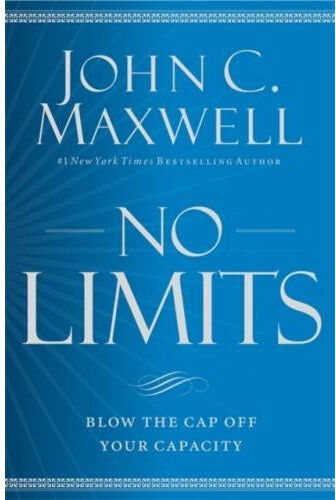
Little Brown Book Group No Limits: Blow the Cap Off Your Capacity by John C. Maxwell – Personal Growth & Leadership Development GuideNo Limits: Blow the CAP Off Your Capacity Description We often treat the word capacity as if it were a natural law of limitation. Unfortunately; most of us are much more comfortable defining what we perceive is off limits rather than what's possible. Could it be that many people have allowed what they perceive as capacity to define them? Have they allowed their perception to limit their attitudes about their potential? In his newest book; John Maxwell identifies 17 core capacities. Some of these are abilities we all already possess; such as energy; creativity and leadership. Others are aspects of our lives controlled by our choices; like our attitudes; character; and intentionality. Maxwell examines each of these 17 capacities; and provides clear and actionable advice on how you can increase your potential in each. He will guide you on how to identify; grow; and apply your critical capacities to your daily life. Once you've blown the 'cap' off your capacities; you'll find yourself more successful--and fulfilled--in your daily life.5,99 £*Shipping: 2,99 £Secure redirect to the provider
-
Tiny Tots Teens Trends Crawling Doll Baby Toy With Music, Early Education Crawling Guidance, Head Up Training Toy For Babies yellowIntroduce your baby to a fun and educational experience with our Crawling Doll Baby Toy with Music. This delightful toy is designed to guide babies as they learn to crawl, promoting early development and coordination. Fun guidance for babies to...29,97 $*Shipping: 0,00 $Secure redirect to the provider
-
Bluebird Mentors: How to Help and Be Helped by Russell Brand – Personal Growth & Guidance BookRussell Brand Mentors How to Help and Be Helped ‘I have mentors in every area of my life, as a comic, a dad, a recovering drug addict, a spiritual being and as a man who believes that we, as individuals and the great globe itself, are works in progress and that through a chain of mentorship we can improve individually and globally, together . . . One of the unexpected advantages my drug addiction granted is that the process of recovery that I practise includes a mentorship tradition. I will encourage you to find mentors of your own and explain how you may better use the ones you already have. Furthermore, I will tell you about my experiences mentoring others and how invaluable that has been on my ongoing journey to self-acceptance and how it has helped me to transform from a bewildered and volatile vagabond to a (mostly) present and (usually) focussed husband and father.’ – Russell Brand Mentors: How to Help and Be Helped describes the impact that a series of significant people have had on the author – from the wayward youths he tried to emulate growing up in Essex, through the first ex-junkie stage, to the people he turns to today to help him be a better father. It explores how we all – consciously and unconsciously – choose guides, mentors and heroes throughout our lives and examines the new perspectives they can bring.1,99 £*Shipping: 1,99 £Secure redirect to the provider
-
Uplifted Finds High Tensile Structural Reinforcement And Geometric Stabilization Interface 10 PcsInaugurate a direct energy for your environment with this integrated structural solution. This set of thickened stainless steel angle brackets serves as a functional choice for your cabinetry and furniture preservation journeys, offering a...31,97 $*Shipping: 0,00 $Secure redirect to the provider
-
What is the difference between tensile stress and tensile strength?
Tensile stress is the internal resisting force per unit area within a material when subjected to a stretching force, while tensile strength is the maximum stress a material can withstand before breaking. In other words, tensile stress is the force applied to a material, while tensile strength is the material's ability to resist that force before failure. Tensile stress is a measure of the force distributed over a specific area, whereas tensile strength is a measure of the material's ability to withstand that force without breaking. **
-
'Pressure or Tensile Force?'
Pressure is a force applied perpendicular to the surface of an object, causing compression or squeezing. Tensile force, on the other hand, is a force applied to stretch or pull an object. The main difference between the two is the direction of the force applied - pressure is applied perpendicular to the surface, while tensile force is applied parallel to the surface. Both forces can cause deformation in materials, but in different ways. **
-
What is a tensile test?
A tensile test is a type of mechanical test used to determine the strength and elasticity of a material. During the test, a sample of the material is pulled in opposite directions until it reaches its breaking point. The test measures the stress and strain on the material, providing valuable information about its mechanical properties such as ultimate tensile strength, yield strength, and elongation. Tensile tests are commonly used in engineering and material science to assess the quality and performance of materials for various applications. **
-
What is the tensile strength of steel?
The tensile strength of steel can vary depending on the grade and type of steel. However, on average, the tensile strength of steel ranges from 400 MPa to 2500 MPa. This high tensile strength is one of the reasons why steel is commonly used in construction and engineering applications where strength and durability are important. **
Similar search terms for Tensile
-
The Readers Paradise Enhancing Your Leadership Skills: A Practical Handbook for Success by Prof. V.K.Simon - Non Fiction Paperback - Leadership & Professional DevelopmentEnhance your leadership skills with this practical handbook by Prof. V.K.Simon. Written for anyone looking to lead with confidence and clarity, it blends self-awareness, emotional intelligence, and real-world strategy to help you achieve success. Whether you're a first-time manager or a seasoned executive, this compact guide delivers tools to strengthen decision-making, communication, and team impact in a fast-changing global workplace. It's built around the idea that great leadership is learned through practice, not theory alone, and covers the core competencies every effective leader needs, starting with self-awareness and emotional intelligence.2,99 £*Shipping: 2,99 £Secure redirect to the provider
-
Uplifted Goods Titan Grade 12.9 Ultra Tensile Button Head Series m12 1piece 1.575 InMaximize your structural threshold with the Titan Grade 12.9 Ultra Tensile Button Head Series. This elite fastening solution is forged from specialized High Strength Alloy Steel, providing the definitive structural foundation for high vibration and...29,97 $*Shipping: 0,00 $Secure redirect to the provider
-
Tiny Tots Teens Trends Crawling Doll Baby Toy With Music, Early Education Crawling Guidance, Head Up Training Toy For Babies blueIntroduce your baby to a fun and educational experience with our Crawling Doll Baby Toy with Music. This delightful toy is designed to guide babies as they learn to crawl, promoting early development and coordination. Fun guidance for babies to...29,97 $*Shipping: 0,00 $Secure redirect to the provider
-
Tiny Tots Teens Trends Crawling Doll Baby Toy With Music, Early Education Crawling Guidance, Head Up Training Toy For Babies pinkIntroduce your baby to a fun and educational experience with our Crawling Doll Baby Toy with Music. This delightful toy is designed to guide babies as they learn to crawl, promoting early development and coordination. Fun guidance for babies to...29,97 $*Shipping: 0,00 $Secure redirect to the provider
-
What is a head impact tensile test?
A head impact tensile test is a type of test used to measure the strength and durability of materials used in protective headgear, such as helmets. During the test, a sample of the material is subjected to a controlled impact or force, simulating the type of impact that could occur during a head injury. The test measures how well the material resists tearing or breaking under the force, providing valuable information about its ability to protect the head from injury. This type of testing is important for ensuring that helmets and other protective gear meet safety standards and can effectively protect against head impacts. **
-
What are compressive forces and tensile forces?
Compressive forces are forces that act to squeeze or compact an object, causing it to become shorter or more compact. Tensile forces, on the other hand, are forces that act to stretch or pull an object, causing it to become longer or more elongated. Both types of forces are important in understanding how materials respond to external loads and are critical in engineering and structural design. **
-
What is the normal tensile stress cracking ratio?
The normal tensile stress cracking ratio, also known as the environmental stress cracking resistance (ESCR), is a measure of a material's resistance to cracking when subjected to tensile stress in the presence of specific environmental agents such as chemicals or solvents. The ratio is typically expressed as the number of hours a material can withstand stress without cracking when exposed to the specific environment. Different materials have different ESCR values, and it is an important factor to consider when selecting materials for applications where they may be exposed to harsh environments. **
-
What is the tensile strength of a shackle?
The tensile strength of a shackle can vary depending on its size, material, and design. However, in general, shackles are designed to have a high tensile strength to withstand heavy loads and forces. For example, a standard 3/4 inch shackle made of carbon steel may have a tensile strength of around 4.75 tons, while a larger 1 inch shackle made of alloy steel could have a tensile strength of 17 tons or more. It is important to always check the manufacturer's specifications for the exact tensile strength of a specific shackle. **
* All prices are inclusive of VAT and, if applicable, plus shipping costs. The offer information is based on the details provided by the respective shop and is updated through automated processes. Real-time updates do not occur, so deviations can occur in individual cases. ** Note: Parts of this content were created by AI.