Buy mentorcoaching.eu ?
We are moving the project
mentorcoaching.eu .
Are you interested in purchasing the domain
mentorcoaching.eu ?
domain@kv-gmbh.de · 0541-91531010
Buy mentorcoaching.eu ?
What is a purl row in knitting?
A purl row in knitting is when you create a row of stitches that have a raised bump texture on the right side of the fabric. To create a purl row, you insert the needle into the front of the stitch from right to left, wrap the yarn around the needle, and pull it through to create a new stitch. Purl rows are often alternated with knit rows to create different textures and patterns in knitting projects. **
What is a purl stitch in knitting?
A purl stitch in knitting is a basic stitch that creates a textured pattern on the fabric. It is the opposite of a knit stitch and is created by bringing the yarn to the front of the work, inserting the needle from right to left through the front of the stitch on the left-hand needle, wrapping the yarn around the right-hand needle, and pulling the loop through. Purl stitches are often used in combination with knit stitches to create various stitch patterns and designs in knitting projects. **


Similar search terms for Purl
Top-Angebote
Products related to Purl:
-
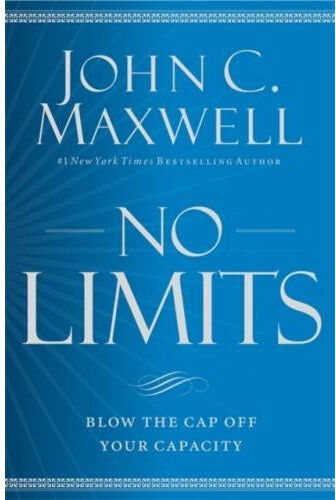
Little Brown Book Group No Limits: Blow the Cap Off Your Capacity by John C. Maxwell – Personal Growth & Leadership Development GuideNo Limits: Blow the CAP Off Your Capacity Description We often treat the word capacity as if it were a natural law of limitation. Unfortunately; most of us are much more comfortable defining what we perceive is off limits rather than what's possible. Could it be that many people have allowed what they perceive as capacity to define them? Have they allowed their perception to limit their attitudes about their potential? In his newest book; John Maxwell identifies 17 core capacities. Some of these are abilities we all already possess; such as energy; creativity and leadership. Others are aspects of our lives controlled by our choices; like our attitudes; character; and intentionality. Maxwell examines each of these 17 capacities; and provides clear and actionable advice on how you can increase your potential in each. He will guide you on how to identify; grow; and apply your critical capacities to your daily life. Once you've blown the 'cap' off your capacities; you'll find yourself more successful--and fulfilled--in your daily life.5,99 £*Shipping: 2,99 £Secure redirect to the provider
-
Tiny Tots Teens Trends Crawling Doll Baby Toy With Music, Early Education Crawling Guidance, Head Up Training Toy For Babies yellowIntroduce your baby to a fun and educational experience with our Crawling Doll Baby Toy with Music. This delightful toy is designed to guide babies as they learn to crawl, promoting early development and coordination. Fun guidance for babies to...29,97 $*Shipping: 0,00 $Secure redirect to the provider



-
What is the difference between a knit stitch and a purl stitch?
The main difference between a knit stitch and a purl stitch is the way the yarn is wrapped around the needle. In a knit stitch, the yarn is held in the back of the work and the needle is inserted from front to back, creating a smooth, raised stitch. In a purl stitch, the yarn is held in the front of the work and the needle is inserted from back to front, creating a bumpier, textured stitch. These two stitches are the building blocks of knitting and are used in various combinations to create different patterns and textures in knitted fabric. **
-
How do you purl a stitch and wrap the yarn around the needle twice?
To purl a stitch and wrap the yarn around the needle twice, you would first bring the yarn to the front of the work. Then, insert the right-hand needle from right to left through the front of the first stitch on the left-hand needle. Next, wrap the yarn around the right-hand needle twice in a counter-clockwise direction. Finally, pull the yarn through the stitch and slip the original stitch off the left-hand needle. This will create a purl stitch with the yarn wrapped around the needle twice. **
-
How does growth progress?
Growth progresses through a series of stages, starting from infancy and continuing through childhood, adolescence, and adulthood. During these stages, individuals experience physical, cognitive, emotional, and social development. Factors such as genetics, environment, nutrition, and experiences all play a role in shaping an individual's growth trajectory. As individuals grow, they acquire new skills, knowledge, and perspectives that contribute to their overall development and well-being. **
-
How does language development progress?
Language development progresses in stages, starting with cooing and babbling in infancy, then moving on to single words, two-word phrases, and eventually more complex sentences. Children learn language through exposure to spoken language, imitation, and reinforcement from caregivers. As they grow, they continue to expand their vocabulary, grammar, and communication skills through interactions with others and practice in various social contexts. Language development is a gradual process that is influenced by both biological factors and environmental experiences. **


How does human development progress?
Human development progresses through a series of stages that are influenced by both biological and environmental factors. These stages include physical, cognitive, emotional, and social development. As individuals grow and mature, they acquire new skills, knowledge, and experiences that shape their understanding of the world and their place in it. Development is a lifelong process that continues from infancy through adulthood and is influenced by a combination of genetics, environment, and personal experiences. **
How does sensory development progress?
Sensory development progresses through a series of stages, beginning with basic sensory experiences such as touch, taste, and smell in infancy. As children grow, they develop more refined sensory abilities, such as improved vision and hearing, and begin to integrate sensory information to make sense of their environment. This process continues into adolescence and adulthood, with individuals becoming more adept at interpreting and responding to sensory stimuli. Overall, sensory development progresses from basic sensory experiences to more complex and integrated sensory abilities as individuals mature. **
Top-Angebote
Products related to Purl:
-
What is a purl row in knitting?
A purl row in knitting is when you create a row of stitches that have a raised bump texture on the right side of the fabric. To create a purl row, you insert the needle into the front of the stitch from right to left, wrap the yarn around the needle, and pull it through to create a new stitch. Purl rows are often alternated with knit rows to create different textures and patterns in knitting projects. **
-
What is a purl stitch in knitting?
A purl stitch in knitting is a basic stitch that creates a textured pattern on the fabric. It is the opposite of a knit stitch and is created by bringing the yarn to the front of the work, inserting the needle from right to left through the front of the stitch on the left-hand needle, wrapping the yarn around the right-hand needle, and pulling the loop through. Purl stitches are often used in combination with knit stitches to create various stitch patterns and designs in knitting projects. **
-
What is the difference between a knit stitch and a purl stitch?
The main difference between a knit stitch and a purl stitch is the way the yarn is wrapped around the needle. In a knit stitch, the yarn is held in the back of the work and the needle is inserted from front to back, creating a smooth, raised stitch. In a purl stitch, the yarn is held in the front of the work and the needle is inserted from back to front, creating a bumpier, textured stitch. These two stitches are the building blocks of knitting and are used in various combinations to create different patterns and textures in knitted fabric. **
-
How do you purl a stitch and wrap the yarn around the needle twice?
To purl a stitch and wrap the yarn around the needle twice, you would first bring the yarn to the front of the work. Then, insert the right-hand needle from right to left through the front of the first stitch on the left-hand needle. Next, wrap the yarn around the right-hand needle twice in a counter-clockwise direction. Finally, pull the yarn through the stitch and slip the original stitch off the left-hand needle. This will create a purl stitch with the yarn wrapped around the needle twice. **
Similar search terms for Purl
-
Little Brown Book Group No Limits: Blow the Cap Off Your Capacity by John C. Maxwell – Personal Growth & Leadership Development GuideNo Limits: Blow the CAP Off Your Capacity Description We often treat the word capacity as if it were a natural law of limitation. Unfortunately; most of us are much more comfortable defining what we perceive is off limits rather than what's possible. Could it be that many people have allowed what they perceive as capacity to define them? Have they allowed their perception to limit their attitudes about their potential? In his newest book; John Maxwell identifies 17 core capacities. Some of these are abilities we all already possess; such as energy; creativity and leadership. Others are aspects of our lives controlled by our choices; like our attitudes; character; and intentionality. Maxwell examines each of these 17 capacities; and provides clear and actionable advice on how you can increase your potential in each. He will guide you on how to identify; grow; and apply your critical capacities to your daily life. Once you've blown the 'cap' off your capacities; you'll find yourself more successful--and fulfilled--in your daily life.5,99 £*Shipping: 2,99 £Secure redirect to the provider
-
Tiny Tots Teens Trends Crawling Doll Baby Toy With Music, Early Education Crawling Guidance, Head Up Training Toy For Babies yellowIntroduce your baby to a fun and educational experience with our Crawling Doll Baby Toy with Music. This delightful toy is designed to guide babies as they learn to crawl, promoting early development and coordination. Fun guidance for babies to...29,97 $*Shipping: 0,00 $Secure redirect to the provider
-
How does growth progress?
Growth progresses through a series of stages, starting from infancy and continuing through childhood, adolescence, and adulthood. During these stages, individuals experience physical, cognitive, emotional, and social development. Factors such as genetics, environment, nutrition, and experiences all play a role in shaping an individual's growth trajectory. As individuals grow, they acquire new skills, knowledge, and perspectives that contribute to their overall development and well-being. **
-
How does language development progress?
Language development progresses in stages, starting with cooing and babbling in infancy, then moving on to single words, two-word phrases, and eventually more complex sentences. Children learn language through exposure to spoken language, imitation, and reinforcement from caregivers. As they grow, they continue to expand their vocabulary, grammar, and communication skills through interactions with others and practice in various social contexts. Language development is a gradual process that is influenced by both biological factors and environmental experiences. **
-
How does human development progress?
Human development progresses through a series of stages that are influenced by both biological and environmental factors. These stages include physical, cognitive, emotional, and social development. As individuals grow and mature, they acquire new skills, knowledge, and experiences that shape their understanding of the world and their place in it. Development is a lifelong process that continues from infancy through adulthood and is influenced by a combination of genetics, environment, and personal experiences. **
-
How does sensory development progress?
Sensory development progresses through a series of stages, beginning with basic sensory experiences such as touch, taste, and smell in infancy. As children grow, they develop more refined sensory abilities, such as improved vision and hearing, and begin to integrate sensory information to make sense of their environment. This process continues into adolescence and adulthood, with individuals becoming more adept at interpreting and responding to sensory stimuli. Overall, sensory development progresses from basic sensory experiences to more complex and integrated sensory abilities as individuals mature. **
* All prices are inclusive of VAT and, if applicable, plus shipping costs. The offer information is based on the details provided by the respective shop and is updated through automated processes. Real-time updates do not occur, so deviations can occur in individual cases. ** Note: Parts of this content were created by AI.