Buy mentorcoaching.eu ?
We are moving the project
mentorcoaching.eu .
Are you interested in purchasing the domain
mentorcoaching.eu ?
domain@kv-gmbh.de · 0541-91531010
Buy mentorcoaching.eu ?
Do some perpetrators unintentionally betray themselves?
Yes, some perpetrators unintentionally betray themselves through their behavior, body language, or inconsistencies in their stories. Even when they try to hide their guilt, their subconscious may reveal their true feelings or intentions. For example, they may display signs of nervousness, avoidance, or defensiveness when questioned about their involvement in a crime. These unintentional betrayals can be important clues for investigators and can ultimately lead to the perpetrator's identification and conviction. **
Are there female perpetrators in Criminal Minds?
Yes, there are female perpetrators in Criminal Minds. Throughout the series, there have been several episodes featuring female criminals who commit heinous crimes. These characters are portrayed as complex and multi-dimensional, showcasing that women can also be capable of committing violent acts. The show does not shy away from depicting female perpetrators and exploring the various motivations behind their actions. **


Similar search terms for Perpetrators
Top-Angebote
Products related to Perpetrators:
-
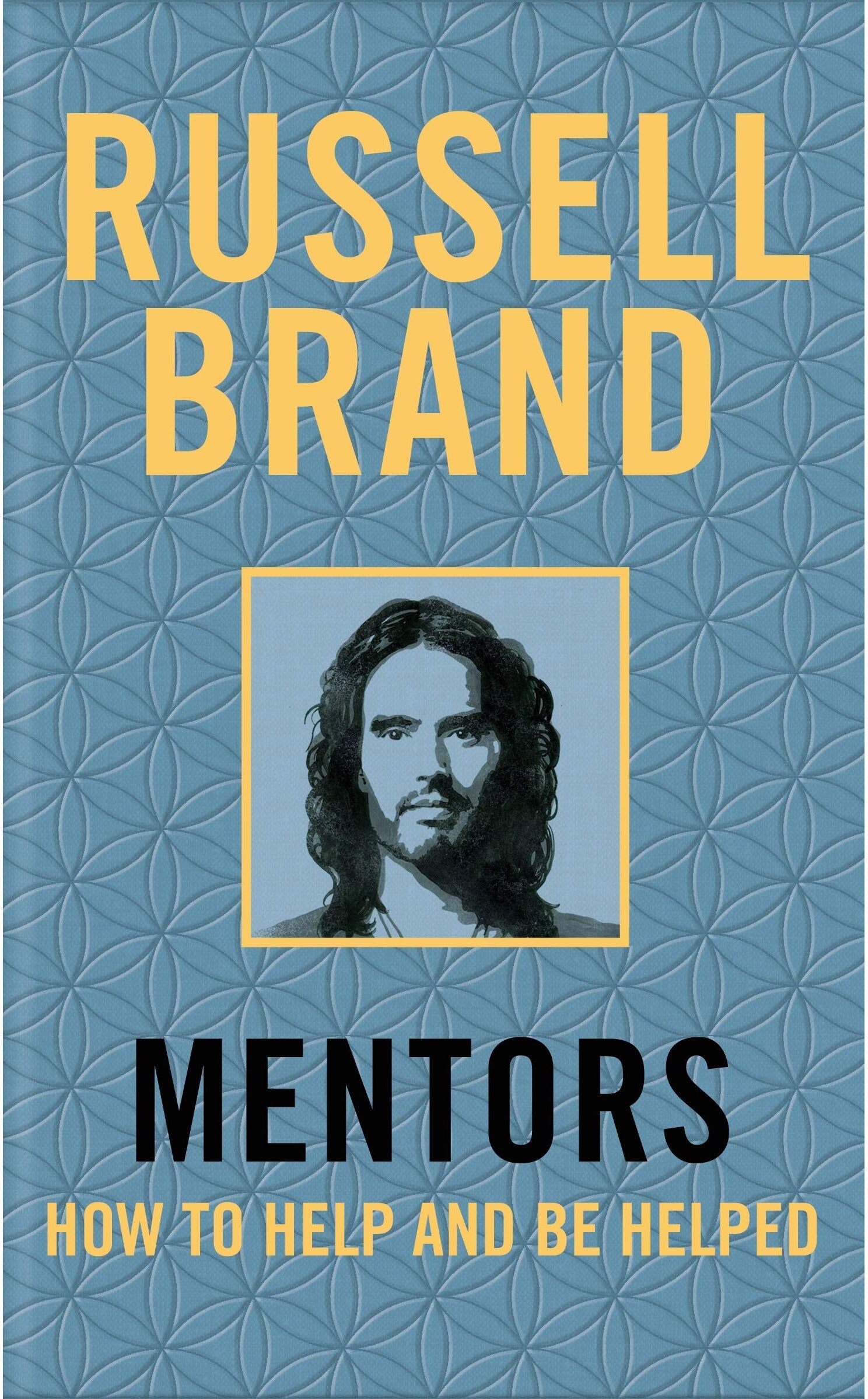
Bluebird Mentors: How to Help and Be Helped by Russell Brand – Personal Growth & Guidance BookRussell Brand Mentors How to Help and Be Helped ‘I have mentors in every area of my life, as a comic, a dad, a recovering drug addict, a spiritual being and as a man who believes that we, as individuals and the great globe itself, are works in progress and that through a chain of mentorship we can improve individually and globally, together . . . One of the unexpected advantages my drug addiction granted is that the process of recovery that I practise includes a mentorship tradition. I will encourage you to find mentors of your own and explain how you may better use the ones you already have. Furthermore, I will tell you about my experiences mentoring others and how invaluable that has been on my ongoing journey to self-acceptance and how it has helped me to transform from a bewildered and volatile vagabond to a (mostly) present and (usually) focussed husband and father.’ – Russell Brand Mentors: How to Help and Be Helped describes the impact that a series of significant people have had on the author – from the wayward youths he tried to emulate growing up in Essex, through the first ex-junkie stage, to the people he turns to today to help him be a better father. It explores how we all – consciously and unconsciously – choose guides, mentors and heroes throughout our lives and examines the new perspectives they can bring.1,99 £*Shipping: 1,99 £Secure redirect to the provider
-
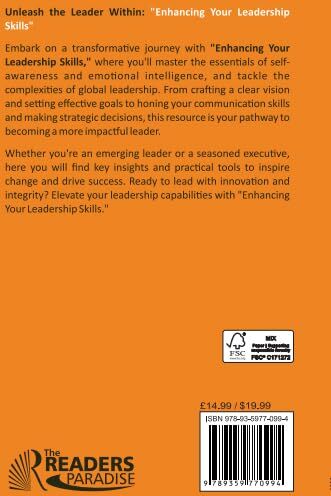
The Readers Paradise Enhancing Your Leadership Skills: A Practical Handbook for Success by Prof. V.K.Simon - Non Fiction Paperback - Leadership & Professional DevelopmentEnhance your leadership skills with this practical handbook by Prof. V.K.Simon. Written for anyone looking to lead with confidence and clarity, it blends self-awareness, emotional intelligence, and real-world strategy to help you achieve success. Whether you're a first-time manager or a seasoned executive, this compact guide delivers tools to strengthen decision-making, communication, and team impact in a fast-changing global workplace. It's built around the idea that great leadership is learned through practice, not theory alone, and covers the core competencies every effective leader needs, starting with self-awareness and emotional intelligence.2,99 £*Shipping: 2,99 £Secure redirect to the provider
-
Robin Sharma 3-Book Collection Set by Robin Sharma - Leadership & Personal Growth - Non Fiction - PaperbackTitles in This Set:. The Leader Who Had No Title:A Modern Fable on Real Success in Business and in Life. The Saint the Surfer and the Ceo. The Secret Letters of the Monk Who Sold His Ferrari Condition: BRAND NEW. Format: Paperback. ISBN: Overview:. Discover a powerful trio of Robin Sharma’s most enduring leadership parables in one compact, ready-to-read collection. The Leader Who Had No Title presents a modern fable about real success that transcends rank, showing readers that true leadership is earned through daily habits, service, and a clear sense of purpose. The Saint the Surfer and the Ceo follows a transformative journey in which a seeker encounters three distinct teachers—each embodying a different path to fulfilment—and learns how to align heart and ambition in a busy, results-driven world. The Secret Letters of the Monk Who Sold His Ferrari gathers intimate letters offering practical wisdom for happiness, resilience, and authentic living. Together, these three paperback titles form a cohesive program for personal and professional growth, designed for busy professionals, aspiring leaders, students of self-improvement, and anyone seeking to elevate their daily life. The brand-new editions are portable, gift-ready, and built to inspire daily action on the road to higher achievement. What Makes This Collection Special:. This set is more than a bookmarkable trio; it’s a guided reading journey that builds a practical leadership toolkit across three distinct lenses. The Leader Who Had No Title introduces core principles of influence without formal authority, while The Saint the Surfer and the Ceo expands those ideas through memorable archetypes and universal truths about purpose-driven work. The Secret Letters of the Monk Who Sold His Ferrari distills those insights into bite-sized, reflective letters you can return to again and again. The result is a binge-worthy, portable library that reinforces consistent values—clarity, discipline, service, and fulfilment—across business and life. It’s an ideal gift for collaborators, graduates, or anyone ready to turn inspiration into tangible, everyday impact. Books Included in This Collection:. The Leader Who Had No Title:A Modern Fable on Real Success in Business and in Life. Blending storytelling with practical wisdom, this modern fable invites readers to question leadership as a title and embrace leadership as daily practice. Through a narrative about a reluctant employee who learns from mentors, the book distills actionable habits—communication, courage, accountability, and generosity—that elevate performance and character in the workplace and at home. It’s accessible, motivating, and designed for busy readers seeking a clear path from idea to action. Expect crisp chapters, memorable parables, and principles you can apply immediately to improve teamwork, decision-making, and personal momentum. The Saint the Surfer and the Ceo. Across continents and cultures, this book leads you through a journey of...22,99 £*Shipping: 2,99 £Secure redirect to the provider


-
Why do perpetrators often attack weaker individuals?
Perpetrators often target weaker individuals because they perceive them as easier targets who are less likely to fight back or defend themselves. This can give the perpetrator a sense of power and control over the situation. Additionally, weaker individuals may be less likely to report the attack or seek help, allowing the perpetrator to avoid consequences for their actions. This behavior is often driven by a desire to assert dominance and exert power over others. **
-
Why are perpetrators obsessed with their victims?
Perpetrators may become obsessed with their victims due to a variety of reasons, including a desire for control and power, feelings of rejection or abandonment, or a need to exert dominance over the victim. Obsession can also stem from underlying psychological issues such as narcissism, sociopathy, or a lack of empathy. Additionally, perpetrators may become fixated on their victims as a way to fulfill their own emotional or psychological needs, using the victim as a source of validation or self-worth. Ultimately, the obsession is a manifestation of the perpetrator's own internal struggles and insecurities. **
-
How to deal with perpetrators without remorse?
Dealing with perpetrators without remorse can be challenging, but it's important to prioritize safety and justice. It's crucial to hold them accountable for their actions through legal and disciplinary measures. Additionally, providing support and resources for the victims is essential to help them heal and move forward. It's also important to address the root causes of the perpetrator's behavior and work towards preventing future harm through education, intervention, and rehabilitation programs. **
-
Why do the perpetrators always shout Allahu Akbar?
Perpetrators may shout "Allahu Akbar" for a variety of reasons, including to justify their actions in the name of their religion, to instill fear and terror in their victims, or to signal their allegiance to a particular extremist ideology. It is important to note that the vast majority of Muslims do not condone or support such actions, and the phrase "Allahu Akbar" itself simply means "God is great" and is commonly used in Islamic prayers and everyday life. The misuse of this phrase by perpetrators should not be seen as representative of the beliefs and actions of the broader Muslim community. **


Why do so many victims protect their perpetrators?
Many victims protect their perpetrators due to fear, shame, and a sense of powerlessness. They may fear retaliation or further harm if they speak out against their abuser. Additionally, victims may feel ashamed or guilty about the abuse and may protect their perpetrator in an attempt to minimize the trauma. In some cases, victims may also have a sense of loyalty or attachment to their abuser, especially if the perpetrator is a family member or someone they trusted. Overall, the complex dynamics of abuse can lead victims to protect their perpetrators as a way of coping with the trauma. **
Why do such perpetrators choose the same victims?
Perpetrators may choose the same victims because they perceive them as vulnerable or easy targets. They may also have a sense of power and control over these victims, which reinforces their behavior. Additionally, perpetrators may have a history of abuse or trauma themselves, leading them to repeat harmful patterns with the same victims. Lastly, familiarity with the victim may make it easier for the perpetrator to manipulate and exploit them. **
Top-Angebote
Products related to Perpetrators:
-
Little Brown Book Group No Limits: Blow the Cap Off Your Capacity by John C. Maxwell – Personal Growth & Leadership Development GuideNo Limits: Blow the CAP Off Your Capacity Description We often treat the word capacity as if it were a natural law of limitation. Unfortunately; most of us are much more comfortable defining what we perceive is off limits rather than what's possible. Could it be that many people have allowed what they perceive as capacity to define them? Have they allowed their perception to limit their attitudes about their potential? In his newest book; John Maxwell identifies 17 core capacities. Some of these are abilities we all already possess; such as energy; creativity and leadership. Others are aspects of our lives controlled by our choices; like our attitudes; character; and intentionality. Maxwell examines each of these 17 capacities; and provides clear and actionable advice on how you can increase your potential in each. He will guide you on how to identify; grow; and apply your critical capacities to your daily life. Once you've blown the 'cap' off your capacities; you'll find yourself more successful--and fulfilled--in your daily life.5,99 £*Shipping: 2,99 £Secure redirect to the provider
-
Tiny Tots Teens Trends Crawling Doll Baby Toy With Music, Early Education Crawling Guidance, Head Up Training Toy For Babies yellowIntroduce your baby to a fun and educational experience with our Crawling Doll Baby Toy with Music. This delightful toy is designed to guide babies as they learn to crawl, promoting early development and coordination. Fun guidance for babies to...29,97 $*Shipping: 0,00 $Secure redirect to the provider
-
Bluebird Mentors: How to Help and Be Helped by Russell Brand – Personal Growth & Guidance BookRussell Brand Mentors How to Help and Be Helped ‘I have mentors in every area of my life, as a comic, a dad, a recovering drug addict, a spiritual being and as a man who believes that we, as individuals and the great globe itself, are works in progress and that through a chain of mentorship we can improve individually and globally, together . . . One of the unexpected advantages my drug addiction granted is that the process of recovery that I practise includes a mentorship tradition. I will encourage you to find mentors of your own and explain how you may better use the ones you already have. Furthermore, I will tell you about my experiences mentoring others and how invaluable that has been on my ongoing journey to self-acceptance and how it has helped me to transform from a bewildered and volatile vagabond to a (mostly) present and (usually) focussed husband and father.’ – Russell Brand Mentors: How to Help and Be Helped describes the impact that a series of significant people have had on the author – from the wayward youths he tried to emulate growing up in Essex, through the first ex-junkie stage, to the people he turns to today to help him be a better father. It explores how we all – consciously and unconsciously – choose guides, mentors and heroes throughout our lives and examines the new perspectives they can bring.1,99 £*Shipping: 1,99 £Secure redirect to the provider
-
The Readers Paradise Enhancing Your Leadership Skills: A Practical Handbook for Success by Prof. V.K.Simon - Non Fiction Paperback - Leadership & Professional DevelopmentEnhance your leadership skills with this practical handbook by Prof. V.K.Simon. Written for anyone looking to lead with confidence and clarity, it blends self-awareness, emotional intelligence, and real-world strategy to help you achieve success. Whether you're a first-time manager or a seasoned executive, this compact guide delivers tools to strengthen decision-making, communication, and team impact in a fast-changing global workplace. It's built around the idea that great leadership is learned through practice, not theory alone, and covers the core competencies every effective leader needs, starting with self-awareness and emotional intelligence.2,99 £*Shipping: 2,99 £Secure redirect to the provider
-
Do some perpetrators unintentionally betray themselves?
Yes, some perpetrators unintentionally betray themselves through their behavior, body language, or inconsistencies in their stories. Even when they try to hide their guilt, their subconscious may reveal their true feelings or intentions. For example, they may display signs of nervousness, avoidance, or defensiveness when questioned about their involvement in a crime. These unintentional betrayals can be important clues for investigators and can ultimately lead to the perpetrator's identification and conviction. **
-
Are there female perpetrators in Criminal Minds?
Yes, there are female perpetrators in Criminal Minds. Throughout the series, there have been several episodes featuring female criminals who commit heinous crimes. These characters are portrayed as complex and multi-dimensional, showcasing that women can also be capable of committing violent acts. The show does not shy away from depicting female perpetrators and exploring the various motivations behind their actions. **
-
Why do perpetrators often attack weaker individuals?
Perpetrators often target weaker individuals because they perceive them as easier targets who are less likely to fight back or defend themselves. This can give the perpetrator a sense of power and control over the situation. Additionally, weaker individuals may be less likely to report the attack or seek help, allowing the perpetrator to avoid consequences for their actions. This behavior is often driven by a desire to assert dominance and exert power over others. **
-
Why are perpetrators obsessed with their victims?
Perpetrators may become obsessed with their victims due to a variety of reasons, including a desire for control and power, feelings of rejection or abandonment, or a need to exert dominance over the victim. Obsession can also stem from underlying psychological issues such as narcissism, sociopathy, or a lack of empathy. Additionally, perpetrators may become fixated on their victims as a way to fulfill their own emotional or psychological needs, using the victim as a source of validation or self-worth. Ultimately, the obsession is a manifestation of the perpetrator's own internal struggles and insecurities. **
Similar search terms for Perpetrators
-
Robin Sharma 3-Book Collection Set by Robin Sharma - Leadership & Personal Growth - Non Fiction - PaperbackTitles in This Set:. The Leader Who Had No Title:A Modern Fable on Real Success in Business and in Life. The Saint the Surfer and the Ceo. The Secret Letters of the Monk Who Sold His Ferrari Condition: BRAND NEW. Format: Paperback. ISBN: Overview:. Discover a powerful trio of Robin Sharma’s most enduring leadership parables in one compact, ready-to-read collection. The Leader Who Had No Title presents a modern fable about real success that transcends rank, showing readers that true leadership is earned through daily habits, service, and a clear sense of purpose. The Saint the Surfer and the Ceo follows a transformative journey in which a seeker encounters three distinct teachers—each embodying a different path to fulfilment—and learns how to align heart and ambition in a busy, results-driven world. The Secret Letters of the Monk Who Sold His Ferrari gathers intimate letters offering practical wisdom for happiness, resilience, and authentic living. Together, these three paperback titles form a cohesive program for personal and professional growth, designed for busy professionals, aspiring leaders, students of self-improvement, and anyone seeking to elevate their daily life. The brand-new editions are portable, gift-ready, and built to inspire daily action on the road to higher achievement. What Makes This Collection Special:. This set is more than a bookmarkable trio; it’s a guided reading journey that builds a practical leadership toolkit across three distinct lenses. The Leader Who Had No Title introduces core principles of influence without formal authority, while The Saint the Surfer and the Ceo expands those ideas through memorable archetypes and universal truths about purpose-driven work. The Secret Letters of the Monk Who Sold His Ferrari distills those insights into bite-sized, reflective letters you can return to again and again. The result is a binge-worthy, portable library that reinforces consistent values—clarity, discipline, service, and fulfilment—across business and life. It’s an ideal gift for collaborators, graduates, or anyone ready to turn inspiration into tangible, everyday impact. Books Included in This Collection:. The Leader Who Had No Title:A Modern Fable on Real Success in Business and in Life. Blending storytelling with practical wisdom, this modern fable invites readers to question leadership as a title and embrace leadership as daily practice. Through a narrative about a reluctant employee who learns from mentors, the book distills actionable habits—communication, courage, accountability, and generosity—that elevate performance and character in the workplace and at home. It’s accessible, motivating, and designed for busy readers seeking a clear path from idea to action. Expect crisp chapters, memorable parables, and principles you can apply immediately to improve teamwork, decision-making, and personal momentum. The Saint the Surfer and the Ceo. Across continents and cultures, this book leads you through a journey of...22,99 £*Shipping: 2,99 £Secure redirect to the provider
-
Tiny Tots Teens Trends Crawling Doll Baby Toy With Music, Early Education Crawling Guidance, Head Up Training Toy For Babies blueIntroduce your baby to a fun and educational experience with our Crawling Doll Baby Toy with Music. This delightful toy is designed to guide babies as they learn to crawl, promoting early development and coordination. Fun guidance for babies to...29,97 $*Shipping: 0,00 $Secure redirect to the provider
-
Tiny Tots Teens Trends Crawling Doll Baby Toy With Music, Early Education Crawling Guidance, Head Up Training Toy For Babies pinkIntroduce your baby to a fun and educational experience with our Crawling Doll Baby Toy with Music. This delightful toy is designed to guide babies as they learn to crawl, promoting early development and coordination. Fun guidance for babies to...29,97 $*Shipping: 0,00 $Secure redirect to the provider
-
How to deal with perpetrators without remorse?
Dealing with perpetrators without remorse can be challenging, but it's important to prioritize safety and justice. It's crucial to hold them accountable for their actions through legal and disciplinary measures. Additionally, providing support and resources for the victims is essential to help them heal and move forward. It's also important to address the root causes of the perpetrator's behavior and work towards preventing future harm through education, intervention, and rehabilitation programs. **
-
Why do the perpetrators always shout Allahu Akbar?
Perpetrators may shout "Allahu Akbar" for a variety of reasons, including to justify their actions in the name of their religion, to instill fear and terror in their victims, or to signal their allegiance to a particular extremist ideology. It is important to note that the vast majority of Muslims do not condone or support such actions, and the phrase "Allahu Akbar" itself simply means "God is great" and is commonly used in Islamic prayers and everyday life. The misuse of this phrase by perpetrators should not be seen as representative of the beliefs and actions of the broader Muslim community. **
-
Why do so many victims protect their perpetrators?
Many victims protect their perpetrators due to fear, shame, and a sense of powerlessness. They may fear retaliation or further harm if they speak out against their abuser. Additionally, victims may feel ashamed or guilty about the abuse and may protect their perpetrator in an attempt to minimize the trauma. In some cases, victims may also have a sense of loyalty or attachment to their abuser, especially if the perpetrator is a family member or someone they trusted. Overall, the complex dynamics of abuse can lead victims to protect their perpetrators as a way of coping with the trauma. **
-
Why do such perpetrators choose the same victims?
Perpetrators may choose the same victims because they perceive them as vulnerable or easy targets. They may also have a sense of power and control over these victims, which reinforces their behavior. Additionally, perpetrators may have a history of abuse or trauma themselves, leading them to repeat harmful patterns with the same victims. Lastly, familiarity with the victim may make it easier for the perpetrator to manipulate and exploit them. **
* All prices are inclusive of VAT and, if applicable, plus shipping costs. The offer information is based on the details provided by the respective shop and is updated through automated processes. Real-time updates do not occur, so deviations can occur in individual cases. ** Note: Parts of this content were created by AI.