Buy mentorcoaching.eu ?
We are moving the project
mentorcoaching.eu .
Are you interested in purchasing the domain
mentorcoaching.eu ?
domain@kv-gmbh.de · 0541-91531010
Buy mentorcoaching.eu ?
What is the imperative?
The imperative is a verb form used to give commands, make requests, or offer advice. It is typically used to communicate directly with someone and tell them what to do. The imperative form does not include a subject pronoun, as it is implied by the context of the sentence. It is a straightforward and direct way of expressing instructions or suggestions. **
With which pronouns does the affirmative imperative differ from the negative imperative?
The affirmative imperative in Spanish uses the same pronouns as the indicative mood, while the negative imperative uses the same pronouns as the subjunctive mood. For example, the affirmative imperative for "hablar" (to speak) is "habla" (you speak), using the pronoun "tú," while the negative imperative is "no hables" (don't speak), using the pronoun "tú" as well. However, in the negative imperative, the pronoun "tú" is often omitted, so it would be more common to hear "no hables" instead of "no hables tú." **


Similar search terms for Imperative
Top-Angebote
Products related to Imperative:
-
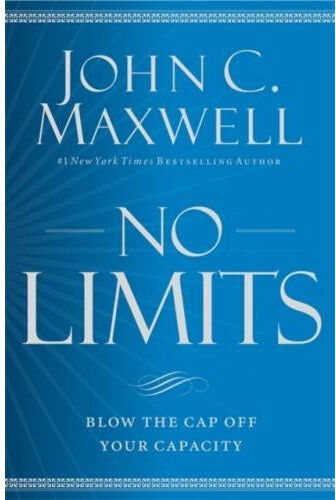
Little Brown Book Group No Limits: Blow the Cap Off Your Capacity by John C. Maxwell – Personal Growth & Leadership Development GuideNo Limits: Blow the CAP Off Your Capacity Description We often treat the word capacity as if it were a natural law of limitation. Unfortunately; most of us are much more comfortable defining what we perceive is off limits rather than what's possible. Could it be that many people have allowed what they perceive as capacity to define them? Have they allowed their perception to limit their attitudes about their potential? In his newest book; John Maxwell identifies 17 core capacities. Some of these are abilities we all already possess; such as energy; creativity and leadership. Others are aspects of our lives controlled by our choices; like our attitudes; character; and intentionality. Maxwell examines each of these 17 capacities; and provides clear and actionable advice on how you can increase your potential in each. He will guide you on how to identify; grow; and apply your critical capacities to your daily life. Once you've blown the 'cap' off your capacities; you'll find yourself more successful--and fulfilled--in your daily life.5,99 £*Shipping: 2,99 £Secure redirect to the provider
-
Tiny Tots Teens Trends Crawling Doll Baby Toy With Music, Early Education Crawling Guidance, Head Up Training Toy For Babies pinkIntroduce your baby to a fun and educational experience with our Crawling Doll Baby Toy with Music. This delightful toy is designed to guide babies as they learn to crawl, promoting early development and coordination. Fun guidance for babies to...29,97 $*Shipping: 0,00 $Secure redirect to the provider
-
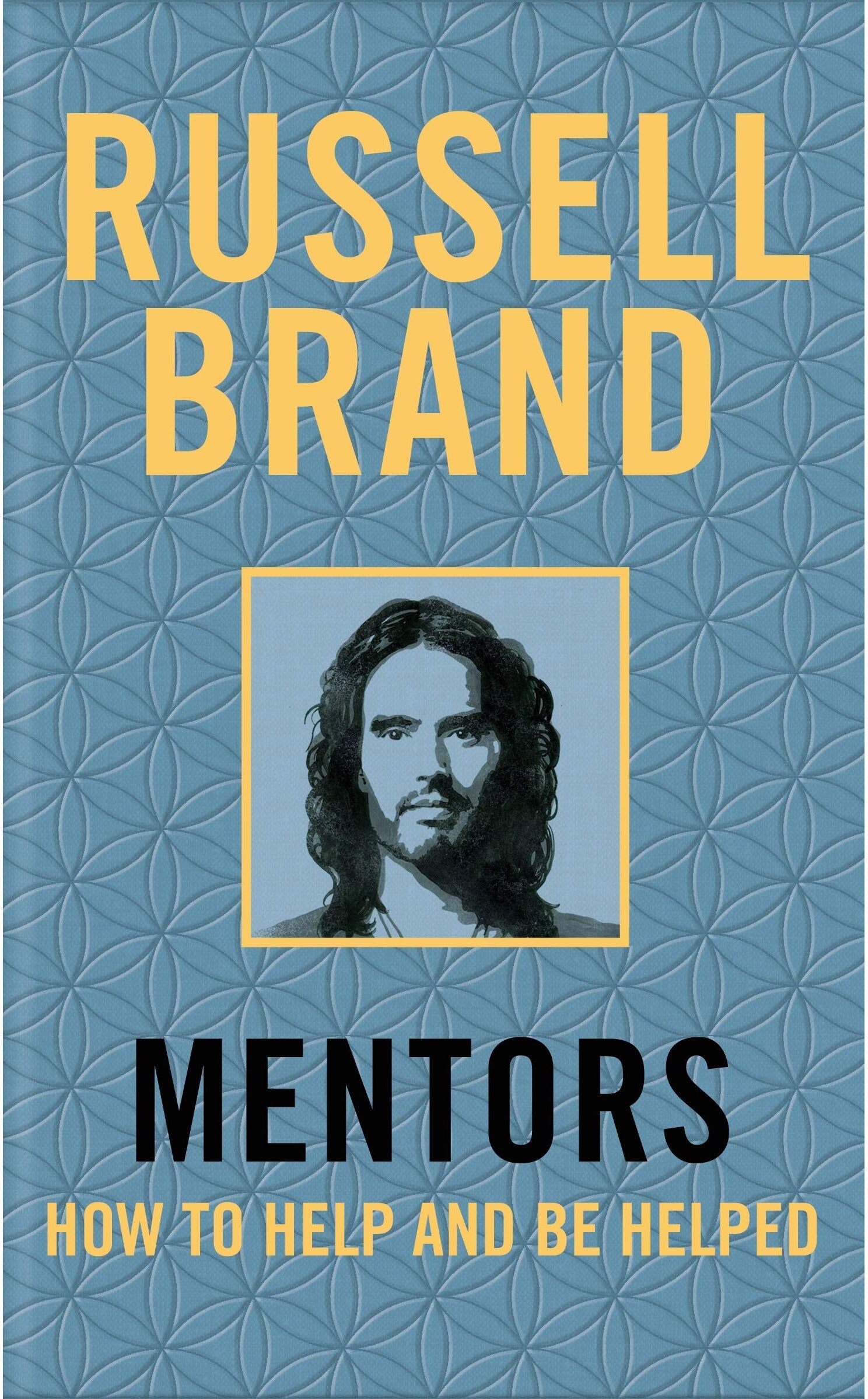
Bluebird Mentors: How to Help and Be Helped by Russell Brand – Personal Growth & Guidance BookRussell Brand Mentors How to Help and Be Helped ‘I have mentors in every area of my life, as a comic, a dad, a recovering drug addict, a spiritual being and as a man who believes that we, as individuals and the great globe itself, are works in progress and that through a chain of mentorship we can improve individually and globally, together . . . One of the unexpected advantages my drug addiction granted is that the process of recovery that I practise includes a mentorship tradition. I will encourage you to find mentors of your own and explain how you may better use the ones you already have. Furthermore, I will tell you about my experiences mentoring others and how invaluable that has been on my ongoing journey to self-acceptance and how it has helped me to transform from a bewildered and volatile vagabond to a (mostly) present and (usually) focussed husband and father.’ – Russell Brand Mentors: How to Help and Be Helped describes the impact that a series of significant people have had on the author – from the wayward youths he tried to emulate growing up in Essex, through the first ex-junkie stage, to the people he turns to today to help him be a better father. It explores how we all – consciously and unconsciously – choose guides, mentors and heroes throughout our lives and examines the new perspectives they can bring.1,99 £*Shipping: 1,99 £Secure redirect to the provider
-
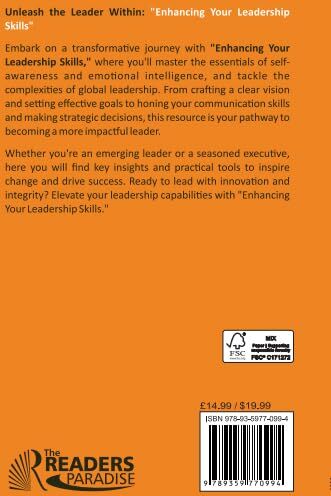
The Readers Paradise Enhancing Your Leadership Skills: A Practical Handbook for Success by Prof. V.K.Simon - Non Fiction Paperback - Leadership & Professional DevelopmentEnhance your leadership skills with this practical handbook by Prof. V.K.Simon. Written for anyone looking to lead with confidence and clarity, it blends self-awareness, emotional intelligence, and real-world strategy to help you achieve success. Whether you're a first-time manager or a seasoned executive, this compact guide delivers tools to strengthen decision-making, communication, and team impact in a fast-changing global workplace. It's built around the idea that great leadership is learned through practice, not theory alone, and covers the core competencies every effective leader needs, starting with self-awareness and emotional intelligence.2,99 £*Shipping: 2,99 £Secure redirect to the provider

-
What is the affirmative imperative with negation and the affirmative imperative with pronouns?
The affirmative imperative with negation is used to give a negative command or request. For example, "Don't eat that!" The affirmative imperative with pronouns is used to give a command or request to a specific person or group. For example, "You, come here!" or "You all, be quiet!" Both forms of imperative are used to give direct instructions or orders. **
-
What is the difference between Kant's categorical imperative and Hans Jonas' new imperative?
Kant's categorical imperative is based on the idea that one should act according to a principle that could be universally applied to all rational beings. It emphasizes the importance of moral duty and the inherent value of rational beings. On the other hand, Hans Jonas' new imperative is based on the idea of responsibility towards future generations and the environment. It emphasizes the need to consider the long-term consequences of our actions and to prioritize the well-being of future generations and the natural world. While Kant's categorical imperative focuses on the universality of moral principles, Jonas' new imperative emphasizes the ethical implications of our actions on the future. **
-
Should imperative be in German?
Yes, imperative is an important aspect of the German language as it is used to give commands, make requests, or offer advice. Learning how to use the imperative form correctly is essential for effective communication in German. Additionally, using imperative can help convey a sense of urgency or directness in speech or writing. Therefore, mastering the imperative form is crucial for anyone looking to become proficient in German. **
-
What are indicative and imperative?
Indicative and imperative are two different types of verb moods in grammar. The indicative mood is used to make statements or ask questions, expressing facts or opinions. On the other hand, the imperative mood is used to give commands or make requests. In essence, indicative is used for stating what is happening or what has happened, while imperative is used for giving instructions or orders. **


What is Kant's categorical imperative?
Kant's categorical imperative is a moral principle that states that one should act only according to rules that they would be willing to see universally followed. In other words, it is a command that applies to all rational beings, regardless of their personal desires or circumstances. Kant believed that this principle provides a basis for determining what is morally right or wrong, as it focuses on the intention behind an action rather than the consequences. Ultimately, the categorical imperative serves as a guide for individuals to act in a way that respects the inherent dignity and autonomy of all individuals. **
Is the categorical imperative rigorous?
Yes, the categorical imperative is considered to be rigorous because it provides a clear and universal moral principle that applies to all rational beings. It demands that individuals act according to principles that could be willed as universal laws, and it requires individuals to treat others as ends in themselves, rather than as means to an end. This rigorous framework helps to guide moral decision-making and promote ethical behavior. **
Top-Angebote
Products related to Imperative:
-
Cornerstone Press What To Make Of A Life: Cliffs, Fog, Fire And The Self-Knowledge Imperative - Non Fiction - PaperbackTitle:. What To Make Of A Life: Cliffs, Fog, Fire And The Self-Knowledge Imperative Format: Paperback Overview:. What To Make Of A Life invites readers to map their own trajectory through the stormy terrain of modern existence. Using vivid, natural imagery—the sheer drop of cliffs, the impenetrable fog, and the crackling blaze of fire—the author reframes everyday decisions into a humane philosophy of self‑knowledge. This is not a manual of absolutes; it is a companion for anyone who wants their life to feel coherent, purposeful, and alive. The book speaks to adults at crossroads—graduates stepping into the workforce, mid‑career professionals reassessing priorities, parents balancing ambition with care, and retirees discovering new directions. Written in clear, lucid prose, the text blends strands from psychology, philosophy, and narrative non-fiction to illuminate how we think, feel, and act. It offers a practical, reader‑friendly framework for turning reflection into action: identifying core values, testing beliefs against lived experience, and designing small, sustainable steps toward meaningful change. The paperback format makes it ideal for daily reading rituals—a quiet morning page, a relaxed commute, or a thoughtful evening winding‑down. Readers will find memorable anecdotes, precise metaphors, and a calm, encouraging voice that resists dogma while inviting honest inquiry. By the final chapter, the guide invites you to embrace self‑knowledge not as a destination but as an ongoing practice—one that helps you build choices you can live with, day after day. What Makes This Book Stand Out:. What makes this book stand out is its synthesis of big ideas with practical, doable steps. The author treats self-knowledge as an active discipline, not a lofty ideal, and the prose stays intimate and accessible rather than academic or preachy. Cliffs, Fog, Fire offers a journey rather than a checklist, encouraging readers to notice where their confidence falters, where fear freezes action, and where curiosity invites risk. The metaphor system—cliffs for risk, fog for uncertainty, fire for transformation—provides a memorable frame that sticks long after the last page. The book also distinguishes itself with its humane tone: you are guided, not judged; you are invited to experiment, not to perform. The blend of reflective essays, real‑life examples, and bite‑sized prompts makes it easy to return to again and again, turning moments of pause into momentum for real life change. In an era of loud, prescriptive advice, this book returns to quiet, stubborn questions about what kind of life you want to live, and how you can start living it today. Who This Book Is Perfect For:. This book is for readers who want depth without drama, and guidance without rigidity. If you’re at a life transition—whether finishing higher education, pivoting careers, or reimagining retirement—it will offer a steady compass. It also suits curious, reflective minds who enjoy thoughtful...26,00 £*Shipping: 2,99 £Secure redirect to the provider
-
Little Brown Book Group No Limits: Blow the Cap Off Your Capacity by John C. Maxwell – Personal Growth & Leadership Development GuideNo Limits: Blow the CAP Off Your Capacity Description We often treat the word capacity as if it were a natural law of limitation. Unfortunately; most of us are much more comfortable defining what we perceive is off limits rather than what's possible. Could it be that many people have allowed what they perceive as capacity to define them? Have they allowed their perception to limit their attitudes about their potential? In his newest book; John Maxwell identifies 17 core capacities. Some of these are abilities we all already possess; such as energy; creativity and leadership. Others are aspects of our lives controlled by our choices; like our attitudes; character; and intentionality. Maxwell examines each of these 17 capacities; and provides clear and actionable advice on how you can increase your potential in each. He will guide you on how to identify; grow; and apply your critical capacities to your daily life. Once you've blown the 'cap' off your capacities; you'll find yourself more successful--and fulfilled--in your daily life.5,99 £*Shipping: 2,99 £Secure redirect to the provider
-
Tiny Tots Teens Trends Crawling Doll Baby Toy With Music, Early Education Crawling Guidance, Head Up Training Toy For Babies pinkIntroduce your baby to a fun and educational experience with our Crawling Doll Baby Toy with Music. This delightful toy is designed to guide babies as they learn to crawl, promoting early development and coordination. Fun guidance for babies to...29,97 $*Shipping: 0,00 $Secure redirect to the provider
-
What is the imperative?
The imperative is a verb form used to give commands, make requests, or offer advice. It is typically used to communicate directly with someone and tell them what to do. The imperative form does not include a subject pronoun, as it is implied by the context of the sentence. It is a straightforward and direct way of expressing instructions or suggestions. **
-
With which pronouns does the affirmative imperative differ from the negative imperative?
The affirmative imperative in Spanish uses the same pronouns as the indicative mood, while the negative imperative uses the same pronouns as the subjunctive mood. For example, the affirmative imperative for "hablar" (to speak) is "habla" (you speak), using the pronoun "tú," while the negative imperative is "no hables" (don't speak), using the pronoun "tú" as well. However, in the negative imperative, the pronoun "tú" is often omitted, so it would be more common to hear "no hables" instead of "no hables tú." **
-
What is the affirmative imperative with negation and the affirmative imperative with pronouns?
The affirmative imperative with negation is used to give a negative command or request. For example, "Don't eat that!" The affirmative imperative with pronouns is used to give a command or request to a specific person or group. For example, "You, come here!" or "You all, be quiet!" Both forms of imperative are used to give direct instructions or orders. **
-
What is the difference between Kant's categorical imperative and Hans Jonas' new imperative?
Kant's categorical imperative is based on the idea that one should act according to a principle that could be universally applied to all rational beings. It emphasizes the importance of moral duty and the inherent value of rational beings. On the other hand, Hans Jonas' new imperative is based on the idea of responsibility towards future generations and the environment. It emphasizes the need to consider the long-term consequences of our actions and to prioritize the well-being of future generations and the natural world. While Kant's categorical imperative focuses on the universality of moral principles, Jonas' new imperative emphasizes the ethical implications of our actions on the future. **
Similar search terms for Imperative
-
Bluebird Mentors: How to Help and Be Helped by Russell Brand – Personal Growth & Guidance BookRussell Brand Mentors How to Help and Be Helped ‘I have mentors in every area of my life, as a comic, a dad, a recovering drug addict, a spiritual being and as a man who believes that we, as individuals and the great globe itself, are works in progress and that through a chain of mentorship we can improve individually and globally, together . . . One of the unexpected advantages my drug addiction granted is that the process of recovery that I practise includes a mentorship tradition. I will encourage you to find mentors of your own and explain how you may better use the ones you already have. Furthermore, I will tell you about my experiences mentoring others and how invaluable that has been on my ongoing journey to self-acceptance and how it has helped me to transform from a bewildered and volatile vagabond to a (mostly) present and (usually) focussed husband and father.’ – Russell Brand Mentors: How to Help and Be Helped describes the impact that a series of significant people have had on the author – from the wayward youths he tried to emulate growing up in Essex, through the first ex-junkie stage, to the people he turns to today to help him be a better father. It explores how we all – consciously and unconsciously – choose guides, mentors and heroes throughout our lives and examines the new perspectives they can bring.1,99 £*Shipping: 1,99 £Secure redirect to the provider
-
The Readers Paradise Enhancing Your Leadership Skills: A Practical Handbook for Success by Prof. V.K.Simon - Non Fiction Paperback - Leadership & Professional DevelopmentEnhance your leadership skills with this practical handbook by Prof. V.K.Simon. Written for anyone looking to lead with confidence and clarity, it blends self-awareness, emotional intelligence, and real-world strategy to help you achieve success. Whether you're a first-time manager or a seasoned executive, this compact guide delivers tools to strengthen decision-making, communication, and team impact in a fast-changing global workplace. It's built around the idea that great leadership is learned through practice, not theory alone, and covers the core competencies every effective leader needs, starting with self-awareness and emotional intelligence.2,99 £*Shipping: 2,99 £Secure redirect to the provider
-
Robin Sharma 3-Book Collection Set by Robin Sharma - Leadership & Personal Growth - Non Fiction - PaperbackTitles in This Set:. The Leader Who Had No Title:A Modern Fable on Real Success in Business and in Life. The Saint the Surfer and the Ceo. The Secret Letters of the Monk Who Sold His Ferrari Condition: BRAND NEW. Format: Paperback. ISBN: Overview:. Discover a powerful trio of Robin Sharma’s most enduring leadership parables in one compact, ready-to-read collection. The Leader Who Had No Title presents a modern fable about real success that transcends rank, showing readers that true leadership is earned through daily habits, service, and a clear sense of purpose. The Saint the Surfer and the Ceo follows a transformative journey in which a seeker encounters three distinct teachers—each embodying a different path to fulfilment—and learns how to align heart and ambition in a busy, results-driven world. The Secret Letters of the Monk Who Sold His Ferrari gathers intimate letters offering practical wisdom for happiness, resilience, and authentic living. Together, these three paperback titles form a cohesive program for personal and professional growth, designed for busy professionals, aspiring leaders, students of self-improvement, and anyone seeking to elevate their daily life. The brand-new editions are portable, gift-ready, and built to inspire daily action on the road to higher achievement. What Makes This Collection Special:. This set is more than a bookmarkable trio; it’s a guided reading journey that builds a practical leadership toolkit across three distinct lenses. The Leader Who Had No Title introduces core principles of influence without formal authority, while The Saint the Surfer and the Ceo expands those ideas through memorable archetypes and universal truths about purpose-driven work. The Secret Letters of the Monk Who Sold His Ferrari distills those insights into bite-sized, reflective letters you can return to again and again. The result is a binge-worthy, portable library that reinforces consistent values—clarity, discipline, service, and fulfilment—across business and life. It’s an ideal gift for collaborators, graduates, or anyone ready to turn inspiration into tangible, everyday impact. Books Included in This Collection:. The Leader Who Had No Title:A Modern Fable on Real Success in Business and in Life. Blending storytelling with practical wisdom, this modern fable invites readers to question leadership as a title and embrace leadership as daily practice. Through a narrative about a reluctant employee who learns from mentors, the book distills actionable habits—communication, courage, accountability, and generosity—that elevate performance and character in the workplace and at home. It’s accessible, motivating, and designed for busy readers seeking a clear path from idea to action. Expect crisp chapters, memorable parables, and principles you can apply immediately to improve teamwork, decision-making, and personal momentum. The Saint the Surfer and the Ceo. Across continents and cultures, this book leads you through a journey of...22,99 £*Shipping: 2,99 £Secure redirect to the provider
-
Should imperative be in German?
Yes, imperative is an important aspect of the German language as it is used to give commands, make requests, or offer advice. Learning how to use the imperative form correctly is essential for effective communication in German. Additionally, using imperative can help convey a sense of urgency or directness in speech or writing. Therefore, mastering the imperative form is crucial for anyone looking to become proficient in German. **
-
What are indicative and imperative?
Indicative and imperative are two different types of verb moods in grammar. The indicative mood is used to make statements or ask questions, expressing facts or opinions. On the other hand, the imperative mood is used to give commands or make requests. In essence, indicative is used for stating what is happening or what has happened, while imperative is used for giving instructions or orders. **
-
What is Kant's categorical imperative?
Kant's categorical imperative is a moral principle that states that one should act only according to rules that they would be willing to see universally followed. In other words, it is a command that applies to all rational beings, regardless of their personal desires or circumstances. Kant believed that this principle provides a basis for determining what is morally right or wrong, as it focuses on the intention behind an action rather than the consequences. Ultimately, the categorical imperative serves as a guide for individuals to act in a way that respects the inherent dignity and autonomy of all individuals. **
-
Is the categorical imperative rigorous?
Yes, the categorical imperative is considered to be rigorous because it provides a clear and universal moral principle that applies to all rational beings. It demands that individuals act according to principles that could be willed as universal laws, and it requires individuals to treat others as ends in themselves, rather than as means to an end. This rigorous framework helps to guide moral decision-making and promote ethical behavior. **
* All prices are inclusive of VAT and, if applicable, plus shipping costs. The offer information is based on the details provided by the respective shop and is updated through automated processes. Real-time updates do not occur, so deviations can occur in individual cases. ** Note: Parts of this content were created by AI.