Buy mentorcoaching.eu ?
We are moving the project
mentorcoaching.eu .
Are you interested in purchasing the domain
mentorcoaching.eu ?
domain@kv-gmbh.de · 0541-91531010
Buy mentorcoaching.eu ?
Is it Brick Gothic or Neo-Gothic?
The architectural style of Brick Gothic and Neo-Gothic are distinct from each other. Brick Gothic, also known as Baltic Gothic, is a style that developed in the Baltic region during the late Middle Ages, characterized by the use of red brick and intricate detailing. Neo-Gothic, on the other hand, is a revival of the Gothic style that emerged in the 19th century, often featuring pointed arches, ribbed vaults, and elaborate ornamentation. While both styles draw inspiration from Gothic architecture, they differ in their historical context and construction materials. **
Which Gothic bands or Gothic singers are there?
Some well-known Gothic bands and singers include The Cure, Siouxsie and the Banshees, Bauhaus, Sisters of Mercy, and Joy Division. These artists are known for their dark and moody music, often characterized by haunting vocals, atmospheric instrumentation, and introspective lyrics. They have had a significant influence on the Gothic music genre and have a dedicated fan base around the world. **

Similar search terms for Gothic
Top-Angebote
Products related to Gothic:
-
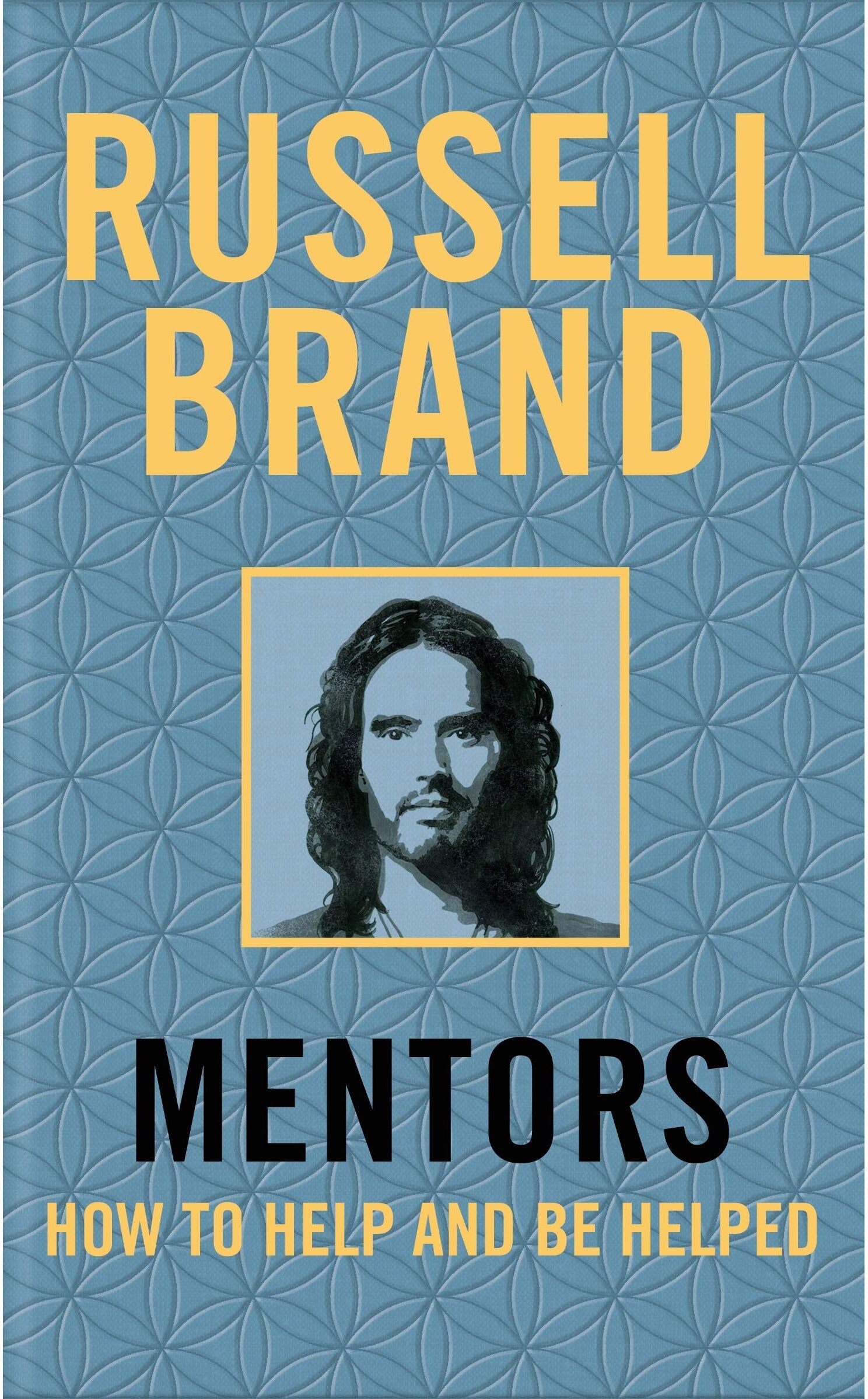
Bluebird Mentors: How to Help and Be Helped by Russell Brand – Personal Growth & Guidance BookRussell Brand Mentors How to Help and Be Helped ‘I have mentors in every area of my life, as a comic, a dad, a recovering drug addict, a spiritual being and as a man who believes that we, as individuals and the great globe itself, are works in progress and that through a chain of mentorship we can improve individually and globally, together . . . One of the unexpected advantages my drug addiction granted is that the process of recovery that I practise includes a mentorship tradition. I will encourage you to find mentors of your own and explain how you may better use the ones you already have. Furthermore, I will tell you about my experiences mentoring others and how invaluable that has been on my ongoing journey to self-acceptance and how it has helped me to transform from a bewildered and volatile vagabond to a (mostly) present and (usually) focussed husband and father.’ – Russell Brand Mentors: How to Help and Be Helped describes the impact that a series of significant people have had on the author – from the wayward youths he tried to emulate growing up in Essex, through the first ex-junkie stage, to the people he turns to today to help him be a better father. It explores how we all – consciously and unconsciously – choose guides, mentors and heroes throughout our lives and examines the new perspectives they can bring.1,99 £*Shipping: 1,99 £Secure redirect to the provider
-
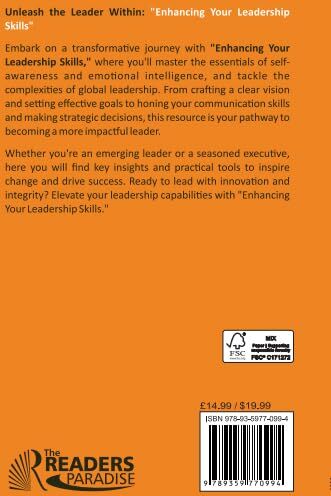
The Readers Paradise Enhancing Your Leadership Skills: A Practical Handbook for Success by Prof. V.K.Simon - Non Fiction Paperback - Leadership & Professional DevelopmentEnhance your leadership skills with this practical handbook by Prof. V.K.Simon. Written for anyone looking to lead with confidence and clarity, it blends self-awareness, emotional intelligence, and real-world strategy to help you achieve success. Whether you're a first-time manager or a seasoned executive, this compact guide delivers tools to strengthen decision-making, communication, and team impact in a fast-changing global workplace. It's built around the idea that great leadership is learned through practice, not theory alone, and covers the core competencies every effective leader needs, starting with self-awareness and emotional intelligence.2,99 £*Shipping: 2,99 £Secure redirect to the provider
-
Robin Sharma 3-Book Collection Set by Robin Sharma - Leadership & Personal Growth - Non Fiction - PaperbackTitles in This Set:. The Leader Who Had No Title:A Modern Fable on Real Success in Business and in Life. The Saint the Surfer and the Ceo. The Secret Letters of the Monk Who Sold His Ferrari Condition: BRAND NEW. Format: Paperback. ISBN: Overview:. Discover a powerful trio of Robin Sharma’s most enduring leadership parables in one compact, ready-to-read collection. The Leader Who Had No Title presents a modern fable about real success that transcends rank, showing readers that true leadership is earned through daily habits, service, and a clear sense of purpose. The Saint the Surfer and the Ceo follows a transformative journey in which a seeker encounters three distinct teachers—each embodying a different path to fulfilment—and learns how to align heart and ambition in a busy, results-driven world. The Secret Letters of the Monk Who Sold His Ferrari gathers intimate letters offering practical wisdom for happiness, resilience, and authentic living. Together, these three paperback titles form a cohesive program for personal and professional growth, designed for busy professionals, aspiring leaders, students of self-improvement, and anyone seeking to elevate their daily life. The brand-new editions are portable, gift-ready, and built to inspire daily action on the road to higher achievement. What Makes This Collection Special:. This set is more than a bookmarkable trio; it’s a guided reading journey that builds a practical leadership toolkit across three distinct lenses. The Leader Who Had No Title introduces core principles of influence without formal authority, while The Saint the Surfer and the Ceo expands those ideas through memorable archetypes and universal truths about purpose-driven work. The Secret Letters of the Monk Who Sold His Ferrari distills those insights into bite-sized, reflective letters you can return to again and again. The result is a binge-worthy, portable library that reinforces consistent values—clarity, discipline, service, and fulfilment—across business and life. It’s an ideal gift for collaborators, graduates, or anyone ready to turn inspiration into tangible, everyday impact. Books Included in This Collection:. The Leader Who Had No Title:A Modern Fable on Real Success in Business and in Life. Blending storytelling with practical wisdom, this modern fable invites readers to question leadership as a title and embrace leadership as daily practice. Through a narrative about a reluctant employee who learns from mentors, the book distills actionable habits—communication, courage, accountability, and generosity—that elevate performance and character in the workplace and at home. It’s accessible, motivating, and designed for busy readers seeking a clear path from idea to action. Expect crisp chapters, memorable parables, and principles you can apply immediately to improve teamwork, decision-making, and personal momentum. The Saint the Surfer and the Ceo. Across continents and cultures, this book leads you through a journey of...22,99 £*Shipping: 2,99 £Secure redirect to the provider
-
Possum Creek GM-less Gothic Tabletop Role-Playing Game - Gothic - TabletopGrand Guignol is a GM-less Gothic tabletop role-playing game set in a haunting vision of late-Victorian London. Players take on distinctive Gothic archetypes—including the Gate, Patron, and Scholar—and work together to shape the city, its hidden communities, and the unsettling forces that surround them. The game explores monstrosity, queerness, intimacy, and community against a backdrop of gaslit streets, oppressive institutions, and fragile social bonds. Rather than relying on a traditional game master, the group builds the setting and story collaboratively, discovering secret histories and deciding how characters respond to danger, prejudice, and supernatural intrigue. This narrative game is designed for players who enjoy atmospheric, character-led adventures focused on community, identity, and hidden histories.28,49 £*Shipping: 3,95 £Secure redirect to the provider


-
What is the difference between Gothic and Neo-Gothic?
Gothic architecture refers to the architectural style that emerged in Europe during the Middle Ages, characterized by features such as pointed arches, ribbed vaults, and flying buttresses. Neo-Gothic, on the other hand, is a revival of the Gothic style that emerged in the 19th century. Neo-Gothic architecture retains many of the same features as Gothic architecture but is often more elaborate and decorative, incorporating elements of other architectural styles as well. **
-
What is the difference between Gothic and Cyber Gothic?
Gothic fashion is characterized by dark, dramatic clothing, often featuring lace, corsets, and Victorian-inspired elements. It is associated with a romantic, historical aesthetic. On the other hand, Cyber Gothic fashion incorporates futuristic and industrial elements, such as neon colors, PVC, and cybernetic accessories. It is influenced by science fiction and cyberpunk themes, creating a more modern and edgy look compared to traditional Gothic fashion. **
-
Does Gothic have anything to do with Gothic architecture?
Yes, Gothic literature is actually named after the Gothic architecture of the Middle Ages. The term "Gothic" was initially used to describe the architectural style of cathedrals and churches built during the medieval period. Later, it was adopted to refer to a literary genre that features elements of horror, mystery, and the supernatural. While Gothic literature does not directly focus on architecture, the term is derived from the same historical period and aesthetic style as Gothic architecture. **
-
Does Gothic have anything to do with the Gothic style?
Yes, Gothic literature does have some connection to the Gothic style. The term "Gothic" originally referred to the Germanic tribes who were seen as barbaric and uncivilized. However, in the 18th century, the term became associated with a style of architecture and art characterized by its use of dark, dramatic elements. This style influenced the themes and settings of Gothic literature, which often features eerie, mysterious, and supernatural elements. Therefore, while Gothic literature does not directly imitate the architectural style, it does draw inspiration from the dark, atmospheric qualities associated with the Gothic style. **


Does anyone know party games for a Gothic-Emo-Gothic party?
Some party games that would fit the theme of a Gothic-Emo-Gothic party could include a "Dark Poetry Slam" where guests take turns reciting their favorite dark or emo poetry, a "Gothic Fashion Show" where guests can show off their best gothic or emo outfits, and a "Vampire Hunt" game where guests can participate in a scavenger hunt for vampire-themed items. Additionally, a "Gothic Trivia" game could be fun, testing guests' knowledge of gothic literature, music, and culture. **
What is Gothic architecture?
Gothic architecture is a style of architecture that originated in France in the 12th century and flourished throughout Europe during the High and Late Middle Ages. It is characterized by its pointed arches, ribbed vaults, and flying buttresses, which allowed for taller and more open interior spaces. Gothic architecture is known for its intricate ornamentation, including stained glass windows, sculptures, and elaborate facades. This style of architecture is often associated with cathedrals and churches, but it was also used in the construction of castles, palaces, and universities. **
Top-Angebote
Products related to Gothic:
-
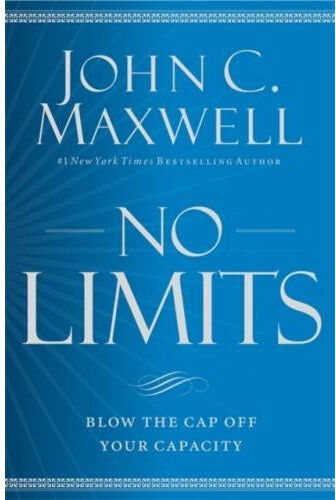
Little Brown Book Group No Limits: Blow the Cap Off Your Capacity by John C. Maxwell – Personal Growth & Leadership Development GuideNo Limits: Blow the CAP Off Your Capacity Description We often treat the word capacity as if it were a natural law of limitation. Unfortunately; most of us are much more comfortable defining what we perceive is off limits rather than what's possible. Could it be that many people have allowed what they perceive as capacity to define them? Have they allowed their perception to limit their attitudes about their potential? In his newest book; John Maxwell identifies 17 core capacities. Some of these are abilities we all already possess; such as energy; creativity and leadership. Others are aspects of our lives controlled by our choices; like our attitudes; character; and intentionality. Maxwell examines each of these 17 capacities; and provides clear and actionable advice on how you can increase your potential in each. He will guide you on how to identify; grow; and apply your critical capacities to your daily life. Once you've blown the 'cap' off your capacities; you'll find yourself more successful--and fulfilled--in your daily life.5,99 £*Shipping: 2,99 £Secure redirect to the provider
-
Tiny Tots Teens Trends Crawling Doll Baby Toy With Music, Early Education Crawling Guidance, Head Up Training Toy For Babies yellowIntroduce your baby to a fun and educational experience with our Crawling Doll Baby Toy with Music. This delightful toy is designed to guide babies as they learn to crawl, promoting early development and coordination. Fun guidance for babies to...29,97 $*Shipping: 0,00 $Secure redirect to the provider
-
Bluebird Mentors: How to Help and Be Helped by Russell Brand – Personal Growth & Guidance BookRussell Brand Mentors How to Help and Be Helped ‘I have mentors in every area of my life, as a comic, a dad, a recovering drug addict, a spiritual being and as a man who believes that we, as individuals and the great globe itself, are works in progress and that through a chain of mentorship we can improve individually and globally, together . . . One of the unexpected advantages my drug addiction granted is that the process of recovery that I practise includes a mentorship tradition. I will encourage you to find mentors of your own and explain how you may better use the ones you already have. Furthermore, I will tell you about my experiences mentoring others and how invaluable that has been on my ongoing journey to self-acceptance and how it has helped me to transform from a bewildered and volatile vagabond to a (mostly) present and (usually) focussed husband and father.’ – Russell Brand Mentors: How to Help and Be Helped describes the impact that a series of significant people have had on the author – from the wayward youths he tried to emulate growing up in Essex, through the first ex-junkie stage, to the people he turns to today to help him be a better father. It explores how we all – consciously and unconsciously – choose guides, mentors and heroes throughout our lives and examines the new perspectives they can bring.1,99 £*Shipping: 1,99 £Secure redirect to the provider
-
The Readers Paradise Enhancing Your Leadership Skills: A Practical Handbook for Success by Prof. V.K.Simon - Non Fiction Paperback - Leadership & Professional DevelopmentEnhance your leadership skills with this practical handbook by Prof. V.K.Simon. Written for anyone looking to lead with confidence and clarity, it blends self-awareness, emotional intelligence, and real-world strategy to help you achieve success. Whether you're a first-time manager or a seasoned executive, this compact guide delivers tools to strengthen decision-making, communication, and team impact in a fast-changing global workplace. It's built around the idea that great leadership is learned through practice, not theory alone, and covers the core competencies every effective leader needs, starting with self-awareness and emotional intelligence.2,99 £*Shipping: 2,99 £Secure redirect to the provider
-
Is it Brick Gothic or Neo-Gothic?
The architectural style of Brick Gothic and Neo-Gothic are distinct from each other. Brick Gothic, also known as Baltic Gothic, is a style that developed in the Baltic region during the late Middle Ages, characterized by the use of red brick and intricate detailing. Neo-Gothic, on the other hand, is a revival of the Gothic style that emerged in the 19th century, often featuring pointed arches, ribbed vaults, and elaborate ornamentation. While both styles draw inspiration from Gothic architecture, they differ in their historical context and construction materials. **
-
Which Gothic bands or Gothic singers are there?
Some well-known Gothic bands and singers include The Cure, Siouxsie and the Banshees, Bauhaus, Sisters of Mercy, and Joy Division. These artists are known for their dark and moody music, often characterized by haunting vocals, atmospheric instrumentation, and introspective lyrics. They have had a significant influence on the Gothic music genre and have a dedicated fan base around the world. **
-
What is the difference between Gothic and Neo-Gothic?
Gothic architecture refers to the architectural style that emerged in Europe during the Middle Ages, characterized by features such as pointed arches, ribbed vaults, and flying buttresses. Neo-Gothic, on the other hand, is a revival of the Gothic style that emerged in the 19th century. Neo-Gothic architecture retains many of the same features as Gothic architecture but is often more elaborate and decorative, incorporating elements of other architectural styles as well. **
-
What is the difference between Gothic and Cyber Gothic?
Gothic fashion is characterized by dark, dramatic clothing, often featuring lace, corsets, and Victorian-inspired elements. It is associated with a romantic, historical aesthetic. On the other hand, Cyber Gothic fashion incorporates futuristic and industrial elements, such as neon colors, PVC, and cybernetic accessories. It is influenced by science fiction and cyberpunk themes, creating a more modern and edgy look compared to traditional Gothic fashion. **
Similar search terms for Gothic
-
Robin Sharma 3-Book Collection Set by Robin Sharma - Leadership & Personal Growth - Non Fiction - PaperbackTitles in This Set:. The Leader Who Had No Title:A Modern Fable on Real Success in Business and in Life. The Saint the Surfer and the Ceo. The Secret Letters of the Monk Who Sold His Ferrari Condition: BRAND NEW. Format: Paperback. ISBN: Overview:. Discover a powerful trio of Robin Sharma’s most enduring leadership parables in one compact, ready-to-read collection. The Leader Who Had No Title presents a modern fable about real success that transcends rank, showing readers that true leadership is earned through daily habits, service, and a clear sense of purpose. The Saint the Surfer and the Ceo follows a transformative journey in which a seeker encounters three distinct teachers—each embodying a different path to fulfilment—and learns how to align heart and ambition in a busy, results-driven world. The Secret Letters of the Monk Who Sold His Ferrari gathers intimate letters offering practical wisdom for happiness, resilience, and authentic living. Together, these three paperback titles form a cohesive program for personal and professional growth, designed for busy professionals, aspiring leaders, students of self-improvement, and anyone seeking to elevate their daily life. The brand-new editions are portable, gift-ready, and built to inspire daily action on the road to higher achievement. What Makes This Collection Special:. This set is more than a bookmarkable trio; it’s a guided reading journey that builds a practical leadership toolkit across three distinct lenses. The Leader Who Had No Title introduces core principles of influence without formal authority, while The Saint the Surfer and the Ceo expands those ideas through memorable archetypes and universal truths about purpose-driven work. The Secret Letters of the Monk Who Sold His Ferrari distills those insights into bite-sized, reflective letters you can return to again and again. The result is a binge-worthy, portable library that reinforces consistent values—clarity, discipline, service, and fulfilment—across business and life. It’s an ideal gift for collaborators, graduates, or anyone ready to turn inspiration into tangible, everyday impact. Books Included in This Collection:. The Leader Who Had No Title:A Modern Fable on Real Success in Business and in Life. Blending storytelling with practical wisdom, this modern fable invites readers to question leadership as a title and embrace leadership as daily practice. Through a narrative about a reluctant employee who learns from mentors, the book distills actionable habits—communication, courage, accountability, and generosity—that elevate performance and character in the workplace and at home. It’s accessible, motivating, and designed for busy readers seeking a clear path from idea to action. Expect crisp chapters, memorable parables, and principles you can apply immediately to improve teamwork, decision-making, and personal momentum. The Saint the Surfer and the Ceo. Across continents and cultures, this book leads you through a journey of...22,99 £*Shipping: 2,99 £Secure redirect to the provider
-
Possum Creek GM-less Gothic Tabletop Role-Playing Game - Gothic - TabletopGrand Guignol is a GM-less Gothic tabletop role-playing game set in a haunting vision of late-Victorian London. Players take on distinctive Gothic archetypes—including the Gate, Patron, and Scholar—and work together to shape the city, its hidden communities, and the unsettling forces that surround them. The game explores monstrosity, queerness, intimacy, and community against a backdrop of gaslit streets, oppressive institutions, and fragile social bonds. Rather than relying on a traditional game master, the group builds the setting and story collaboratively, discovering secret histories and deciding how characters respond to danger, prejudice, and supernatural intrigue. This narrative game is designed for players who enjoy atmospheric, character-led adventures focused on community, identity, and hidden histories.28,49 £*Shipping: 3,95 £Secure redirect to the provider
-
Uplift Picks NoirDream Y2K Gothic Dreamcore Stickers NoirDream Y2K Gothic Dreamcore StickersTurn blank pages into mysterious collages filled with nostalgic and surreal character. This eightsheet collection of Y2K gothic stickers features dark dreamcore imagery and retroinspired details for expressive crafting. The precut dreamcore collage...37,98 $*Shipping: 0,00 $Secure redirect to the provider
-
Uplift Essentials Midnight Noir Gothic Rose Bouquet Midnight Noir Gothic Rose BouquetEmbrace the dark side of beauty with the Midnight Noir Gothic Rose Bouquet. This striking set of Artificial Black Roses offers a sophisticated, edgy alternative to traditional floral arrangements. Perfect for those who appreciate a moody,...63,97 $*Shipping: 0,00 $Secure redirect to the provider
-
Does Gothic have anything to do with Gothic architecture?
Yes, Gothic literature is actually named after the Gothic architecture of the Middle Ages. The term "Gothic" was initially used to describe the architectural style of cathedrals and churches built during the medieval period. Later, it was adopted to refer to a literary genre that features elements of horror, mystery, and the supernatural. While Gothic literature does not directly focus on architecture, the term is derived from the same historical period and aesthetic style as Gothic architecture. **
-
Does Gothic have anything to do with the Gothic style?
Yes, Gothic literature does have some connection to the Gothic style. The term "Gothic" originally referred to the Germanic tribes who were seen as barbaric and uncivilized. However, in the 18th century, the term became associated with a style of architecture and art characterized by its use of dark, dramatic elements. This style influenced the themes and settings of Gothic literature, which often features eerie, mysterious, and supernatural elements. Therefore, while Gothic literature does not directly imitate the architectural style, it does draw inspiration from the dark, atmospheric qualities associated with the Gothic style. **
-
Does anyone know party games for a Gothic-Emo-Gothic party?
Some party games that would fit the theme of a Gothic-Emo-Gothic party could include a "Dark Poetry Slam" where guests take turns reciting their favorite dark or emo poetry, a "Gothic Fashion Show" where guests can show off their best gothic or emo outfits, and a "Vampire Hunt" game where guests can participate in a scavenger hunt for vampire-themed items. Additionally, a "Gothic Trivia" game could be fun, testing guests' knowledge of gothic literature, music, and culture. **
-
What is Gothic architecture?
Gothic architecture is a style of architecture that originated in France in the 12th century and flourished throughout Europe during the High and Late Middle Ages. It is characterized by its pointed arches, ribbed vaults, and flying buttresses, which allowed for taller and more open interior spaces. Gothic architecture is known for its intricate ornamentation, including stained glass windows, sculptures, and elaborate facades. This style of architecture is often associated with cathedrals and churches, but it was also used in the construction of castles, palaces, and universities. **
* All prices are inclusive of VAT and, if applicable, plus shipping costs. The offer information is based on the details provided by the respective shop and is updated through automated processes. Real-time updates do not occur, so deviations can occur in individual cases. ** Note: Parts of this content were created by AI.